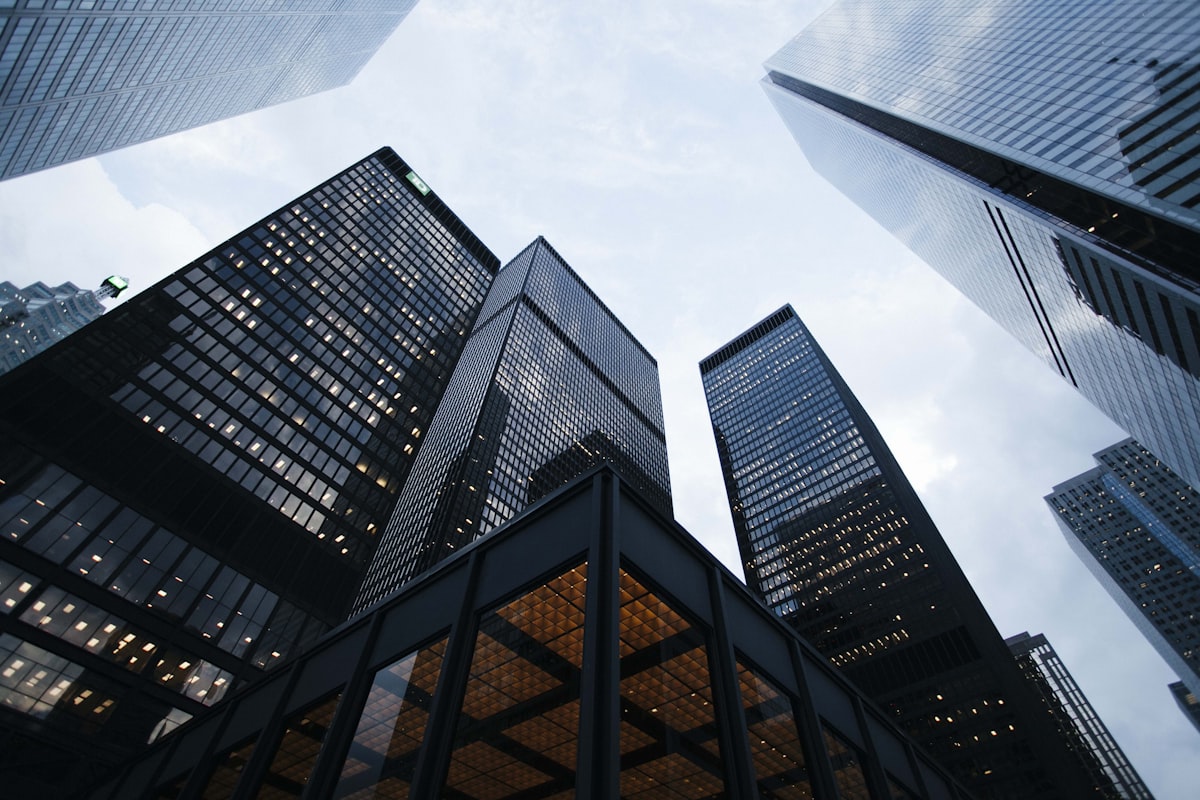
Sustainability has moved from a marketing buzzword to a genuine value driver in Indian real estate. Green-certified buildings — those holding IGBC (Indian Green Building Council), GRIHA, or LEED certifications — now command a 15–20% premium over non-certified comparable properties in the same market.
Understanding Green Building Certifications
IGBC (Indian Green Building Council)
India's home-grown green building rating system, developed by the Confederation of Indian Industry (CII). It covers residential buildings, commercial projects, and townships under separate rating schemes. IGBC Certified, IGBC Silver, IGBC Gold, and IGBC Platinum are the four levels.
LEED (Leadership in Energy and Environmental Design)
A global certification by the US Green Building Council, widely used for commercial and large residential projects. LEED Certified, Silver, Gold, and Platinum tiers. India is the 2nd largest LEED market globally after the US.
GRIHA (Green Rating for Integrated Habitat Assessment)
India's national green building rating system, mandated for all central government buildings and recommended for private projects by BEE.
Why Green Buildings Cost More (And Are Worth It)
Green buildings deliver:
- Energy savings: 30–45% lower electricity bills vs conventional buildings
- Water conservation: 40% lower water consumption through rainwater harvesting and dual-flush systems
- Air quality: HEPA filtration and fresh air ventilation — critical post-COVID
- Solar power: On-site generation reducing grid dependence
- Biophilic design: Natural light, green walls, urban farming areas
The Investment Case
In commercial real estate, green-certified offices have 93% occupancy vs 78% for non-green equivalents. Rental premiums are 12–22%. In residential, IGBC and LEED-certified homes are appreciating 3–5% faster annually than non-certified projects.
When evaluating any property purchase, always check if the project is green-certified — it's a genuine marker of quality and a driver of long-term value.